
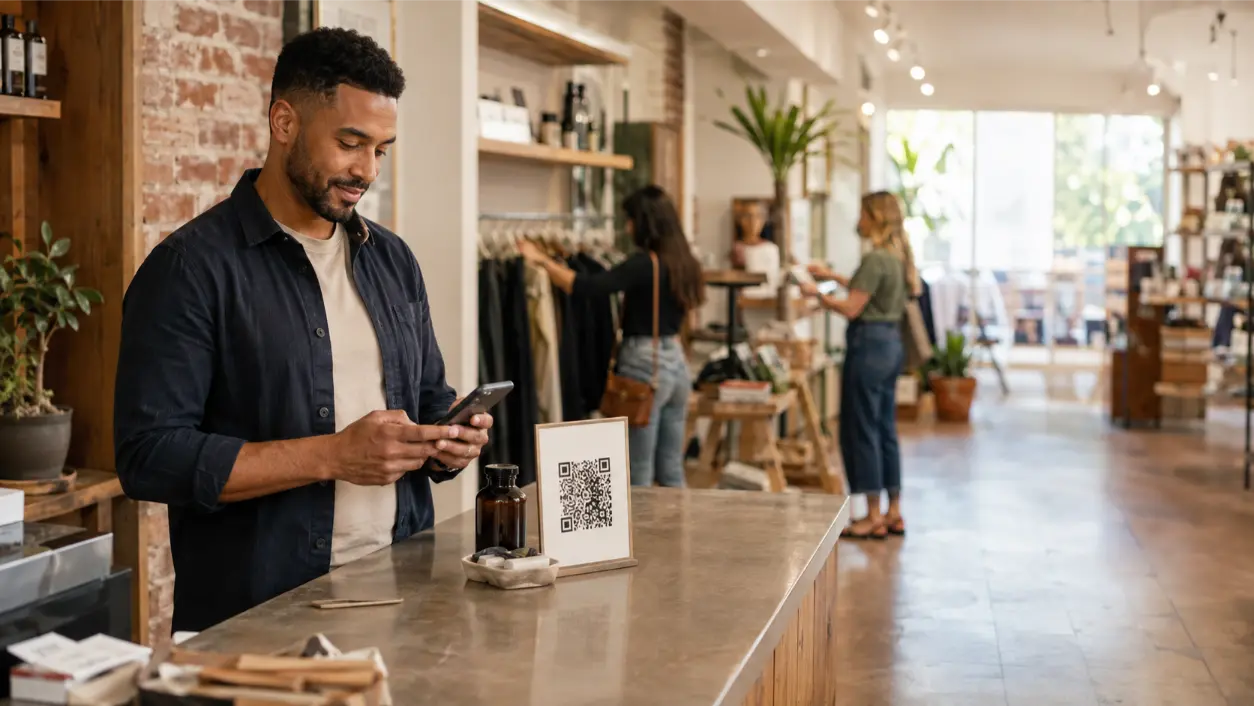





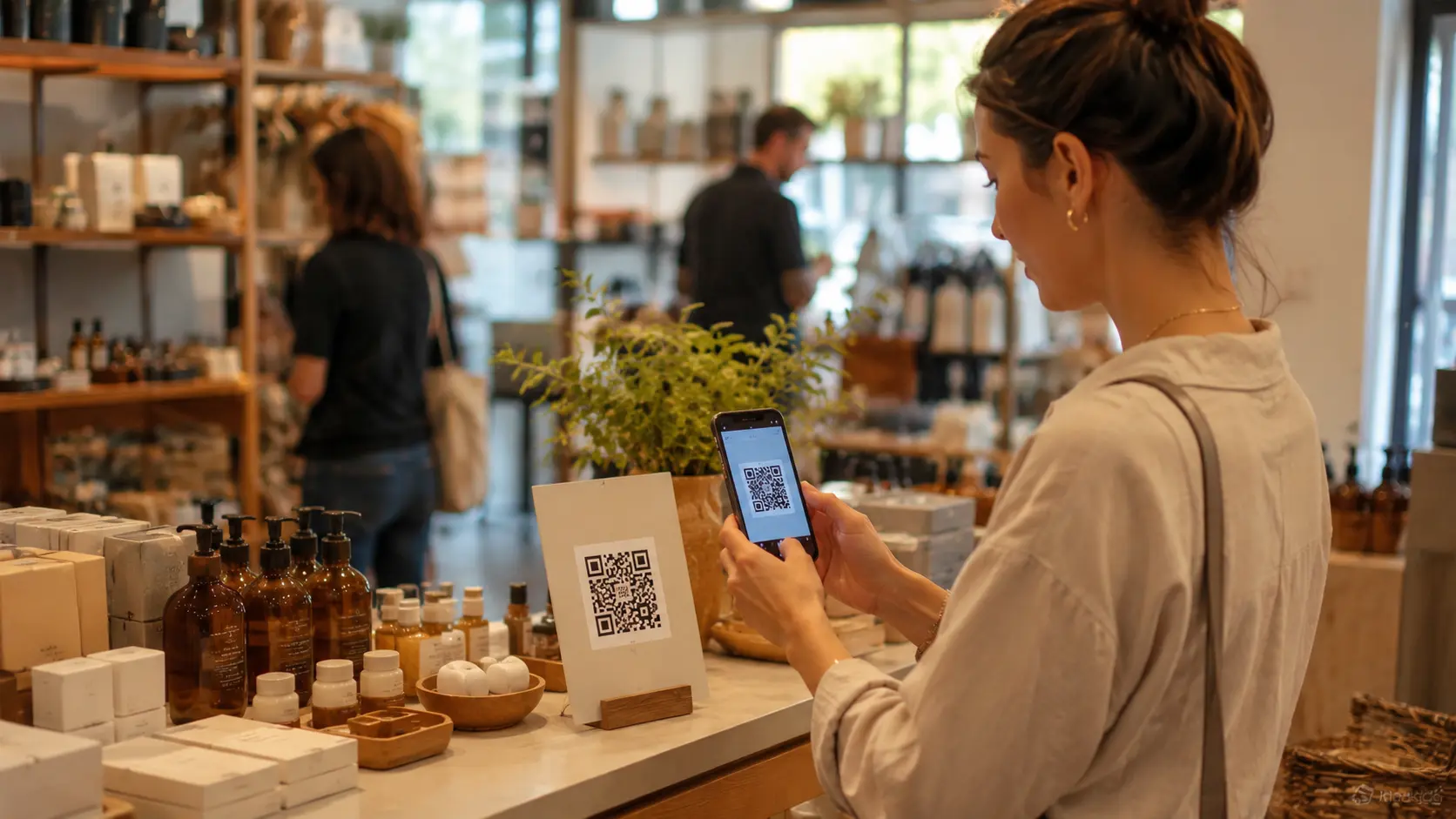
Let’s learn how to use QR codes for Retail Engagement and capture leads.
Why QR codes still work in physical retail
QR codes work because they remove friction. A customer does not need to remember a web address, search for your brand later, or ask a staff member where to sign up. They scan, tap, and land exactly where you want them to go.
In a store environment, that speed matters. Shoppers make decisions quickly. If they are interested in a promotion, a product tutorial, or a loyalty perk, the easier you make the next step, the more likely they are to act while they are still engaged.
QR codes also make retail engagement more measurable. Instead of guessing whether a display, counter sign, or bag insert is doing anything, you can connect each code to a specific page and track which placements and offers drive the most responses.
Start with one goal, not one code everywhere
One of the most common mistakes is using QR codes with no defined purpose. Before you create a code, decide what success looks like. Are you trying to grow your email list? Get more redemptions on a seasonal promotion? Collect RSVPs for an in-store event? Encourage customers to join a loyalty program?
Pick one goal per code. That keeps the message clear and makes reporting easier later. A QR code at the front window might promote a first-visit offer. A different code at checkout might invite shoppers to join your VIP list. Another on a shelf tag might open a short product guide or styling tip.
When every code has one job, your store becomes easier to optimize. You can quickly see which touchpoints attract attention and which offers deserve more visibility.
Best places to use QR codes in-store
Placement matters as much as the offer itself. Start with locations where shoppers naturally pause.
Window displays are useful for capturing attention before someone even walks in. A code here can promote a limited-time offer, a new arrival list, or an event signup.
Shelf talkers and price tags work well when customers need more context. A code can lead to product details, comparison tips, care instructions, or bundle suggestions.
The checkout counter is one of the best places for lead capture because customers are already engaged and waiting. This is a strong spot for a bounce-back offer, loyalty signup, or receipt-free digital registration.
Fitting rooms, demo areas, and service counters can also perform well because they are tied to decision moments. Packaging, receipts, and bag inserts are especially useful for post-purchase follow-up, such as review requests, reorder reminders, or invitations to join a repeat-buyer list.
Offers that make shoppers want to scan
Most customers will not scan a code just because it is there. They scan when the benefit is obvious.
Simple offers often perform best:
First-purchase or next-visit discount
Give shoppers a reason to act now and a reason to come back later.
Giveaway or event entry
This can work well for seasonal campaigns, store anniversaries, or local partnerships.
VIP list or early access
Useful for boutiques, specialty retail, and limited-release product lines.
Product how-to content
A code can unlock styling ideas, setup steps, ingredient details, or care instructions.
Loyalty or points enrollment
If your store already has a retention program, QR codes can make joining faster.
The offer should match the location. A window sign can support a broad promotion. A product display should connect to something more specific and relevant to that item or category.
How to capture leads without losing people
The landing page after the scan is where many campaigns fail. If it loads slowly, looks cluttered, or asks for too much information, shoppers leave.
Keep the destination page mobile-friendly and focused on one action. Use a headline that matches the sign they scanned so the experience feels consistent. If the store sign says “Scan for 10% off your next visit,” the page should repeat that promise clearly.
Ask for the minimum information you need. In most cases, a first name and email address is enough to begin. If text messaging is part of your strategy, explain why you are asking for a mobile number and what the shopper will receive.
It also helps to reduce uncertainty. Add brief privacy language, explain what happens next, and confirm the value immediately after submission. A shopper should know whether they will receive a coupon, a welcome email, or access to a special offer.
How to track what is working
You do not need complicated reporting to learn from QR campaigns. Start with a unique QR code for each placement or promotion. That way, you can tell whether your front window, checkout counter, or packaging is generating more engagement.
Use tagged links so your analytics platform can separate traffic by source, location, or campaign. Then watch a few basic numbers: scans, page visits, form submissions, coupon redemptions, and repeat visits tied to the promotion.
Over time, patterns emerge. You may find that one offer gets more scans but another produces better lead quality. You may also learn that smaller signs underperform while counter displays convert well. That is the kind of practical insight that helps a store improve results without guessing.
Common mistakes to avoid
Sending every QR code to your homepage is a missed opportunity. Shoppers should land on a page built for the specific offer they saw.
Poor visibility is another problem. If the code is too small, badly lit, or placed where people cannot comfortably scan it, response will suffer.
Too many competing calls to action can also reduce performance. If a sign asks people to scan, download, follow, review, and subscribe all at once, many will do nothing.
Staff awareness matters too. If employees know what the code promotes, they can point customers toward it at the right moment. Finally, do not stop at the scan. If there is no follow-up process after the opt-in, you lose much of the value.
Turning scans into repeat business
The real advantage of QR codes is not the scan itself. It is what happens after a shopper raises their hand.
Once someone signs up, claims an offer, or lands on a tracked page, you have a chance to continue the conversation through channels you control. That might mean a welcome email, a reminder before the offer expires, a follow-up postcard, or a campaign built around repeat visits and seasonal promotions.
For retailers that want a more organized system, this is where automation becomes useful. MailX2 helps businesses connect engagement signals with timely email and direct mail follow-up, so in-store interest does not end at the register. Instead of treating each store visit as a one-time moment, you can build a simple path that turns attention into ongoing customer contact.
Final takeaway
If you want better retail engagement, start small. Choose one in-store location, one offer, and one follow-up action. Launch a QR code that serves a clear purpose, then measure how shoppers respond.
That kind of test is simple to run, affordable for most stores, and much easier to improve than broad campaigns with too many moving parts. And once you know which placements and offers earn attention, you can build from there with more confidence.
Want to connect in-store QR engagement with email and direct mail follow-up? Book a strategy call with MailX2 to map out a simple campaign that turns scans into measurable lead capture and repeat customer outreach.
Frequently Asked Questions
Where should I place QR codes in a retail store?
Start with high-attention areas where shoppers naturally pause, such as front windows, checkout counters, shelf displays, fitting rooms, packaging, and receipts.
What kind of offer gets the most scans?
The best offer depends on your audience, but simple and immediate value usually works best, such as a discount, giveaway entry, VIP access, or useful product information.
How do I track whether QR codes are generating leads?
Use a different QR code or tagged URL for each placement or campaign, then monitor scans, landing-page visits, form submissions, and offer redemptions.
RELATED LINKS: