

Local marketing does not have to mean buying more ads, sponsoring every event in town, or discounting vehicles until margins disappear. For many independent and smaller automotive dealers, the most useful outreach starts closer to home: the people who drive past the lot, the customers who already service their vehicles with you, the businesses that serve the same households, and the shoppers who visit your website but leave before they call.
That is why local outreach tactics for auto dealers should be practical, repeatable, and easy to measure. A strong local plan does not need to be flashy. It needs to give nearby buyers a reason to remember your dealership when they are ready for a vehicle, service appointment, trade-in, or financing conversation.
So let’s learn some local outreach tactics auto dealers can use to build community visibility, drive service visits, improve referrals, and follow up with shoppers.
Why Local Outreach Still Works for Automotive Dealers
Automotive is still a local trust business. Even when shoppers start online, many want to know whether the dealership is credible, accessible, and familiar. They notice who supports local events. They remember a helpful service clinic. They ask neighbors where they bought their last vehicle. They compare websites, but they also compare how the store feels.
The challenge is that local awareness is easy to lose when outreach is inconsistent. A dealer may run one event, send one mailer, post a few times, and then stop. The better approach is to create a simple rhythm: show up in the community, collect interest, follow up quickly, and track what produces conversations.
Start With the Customers Already Around You
Before launching a new campaign, look at the audience you already have. These groups are often less expensive to reach than cold prospects:
Current service customers who may need another appointment, inspection, tires, brakes, accessories, or a future trade-in conversation.
Past buyers who may be ready for a second vehicle, referral, service visit, or equity review.
Website visitors who viewed inventory, finance pages, trade-in tools, or service pages but never filled out a form.
Local households within a few miles of the dealership that see your lot but may not understand what makes you different.
Nearby employers, schools, churches, gyms, restaurants, insurance offices, and property managers whose customers or employees overlap with your buyers.
The lowest-cost outreach usually begins by organizing these audiences and giving each one a relevant next step.
Low-Cost Community Outreach Ideas for Dealers
Host small, useful events instead of big promotions
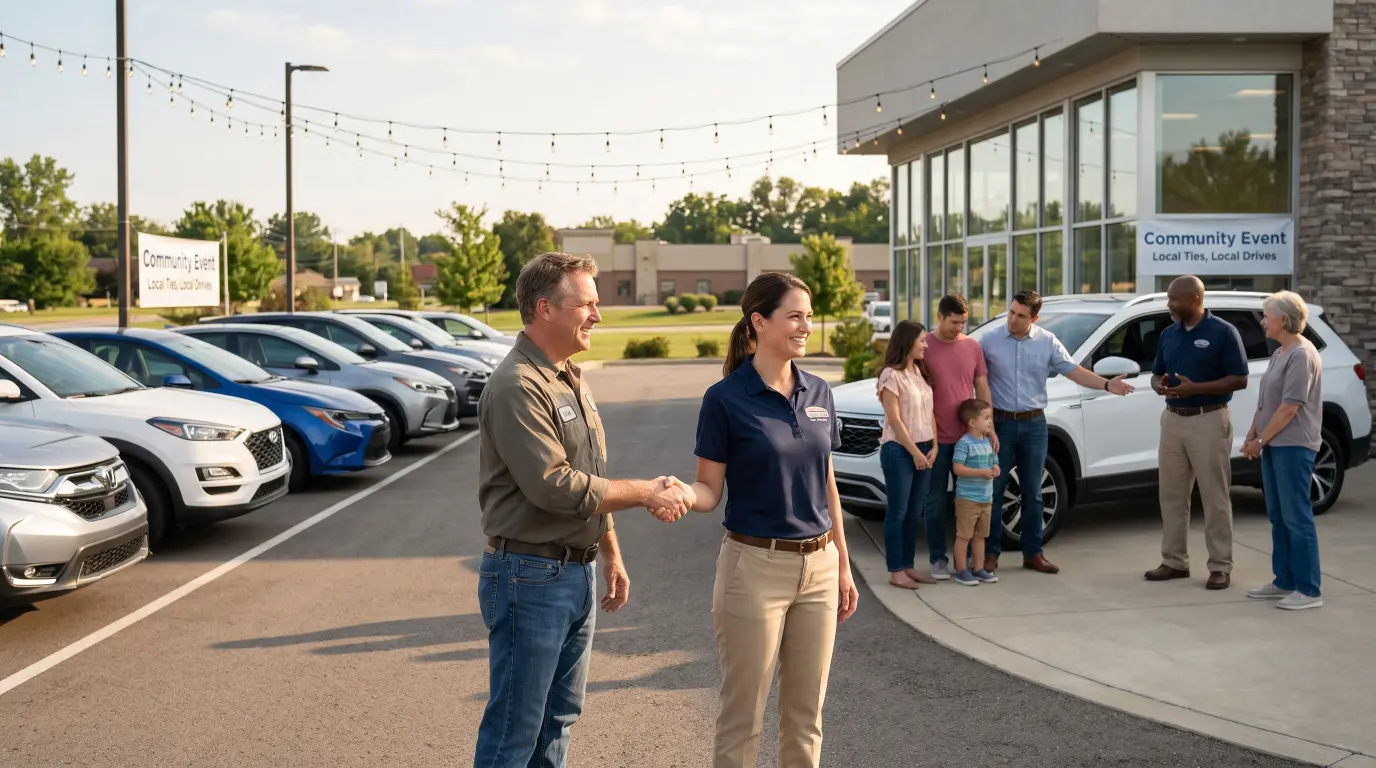
A community event does not need a huge tent, radio remote, or celebrity appearance. Smaller events can work well when they solve a local problem.
Consider hosting a Saturday car-care clinic, first-time buyer workshop, trade-in education session, winter driving prep day, tire safety check, teen driver maintenance class, or used-car buying checklist session. These events give people a reason to visit your dealership before they are under pressure to buy.
Keep the format simple. Pick one topic, promote it for two weeks, invite past customers, ask nearby businesses to share it, and collect RSVPs through a short form. After the event, send attendees a helpful follow-up instead of a hard sell. For example: “Here is the inspection checklist we covered today” or “Here are three things to check before your next road trip.”
Partner with nearby businesses that serve the same households
Partnerships are one of the most overlooked local marketing ideas for auto dealers because they require time more than cash. The goal is not to hand out random coupons. The goal is to build useful cross-promotion with businesses that already have local trust.
A dealership might partner with a car wash, coffee shop, insurance agency, real estate office, apartment community, school booster club, youth sports league, auto detailer, credit union, or local employer. Each partnership should have a clear exchange of value.
Examples include a “new resident vehicle checklist” with an apartment community, a safe-driving event with a school, a preferred service day for employees of a nearby business, or a referral card at a local insurance office. Keep the ask specific and make it easy for the partner to say yes.
Turn service visits into neighborhood visibility
The service lane is one of the strongest outreach channels a dealership already owns. Every appointment is a chance to create a positive local story.
Start with simple touches: branded service reminders, a clear post-visit thank-you message, a printed checklist, a referral prompt, or a postcard to nearby households promoting a seasonal service offer. If a customer has a good experience, ask whether they know someone nearby who needs honest service or is considering a vehicle.
Service outreach is especially useful because it does not depend on a shopper being ready to buy today. It keeps your dealership visible during the months between major purchase decisions.
Use mailers for focused local follow-up
Direct mail can still be practical for dealers when it is targeted and tied to a clear local reason. The key is to avoid vague “we sell cars” postcards and instead send mail that matches a specific audience.
Examples include a postcard for households near the dealership, a service reminder for past customers, a trade-in invitation for owners of specific vehicle types, a grand reopening announcement, a seasonal maintenance offer, or a follow-up mailer after someone visits a relevant page on your website.
Mailers work best when they have one message, one offer, one phone number or URL, and a simple reason to act. A dealer with a small budget can start with a limited radius or a specific neighborhood instead of mailing an entire county.
Build referral prompts into every customer handoff
Referrals are often treated as something that happens naturally. A better approach is to make them part of the process.
After a sale or service visit, give customers a simple way to refer someone. The prompt should feel personal, not pushy. For example: “If a friend or family member needs a straightforward place to shop or service their vehicle, we would be grateful if you sent them our way.”
You can support this with a small referral card, a follow-up email, or a thank-you note. If you offer a referral incentive, keep the terms clear and make sure your messaging follows applicable advertising and endorsement rules.
How to Make Grassroots Outreach Measurable
Low-cost does not mean untracked. Every outreach effort should answer three questions:
Who did we reach?
What action did we ask them to take?
How will we know whether they responded?
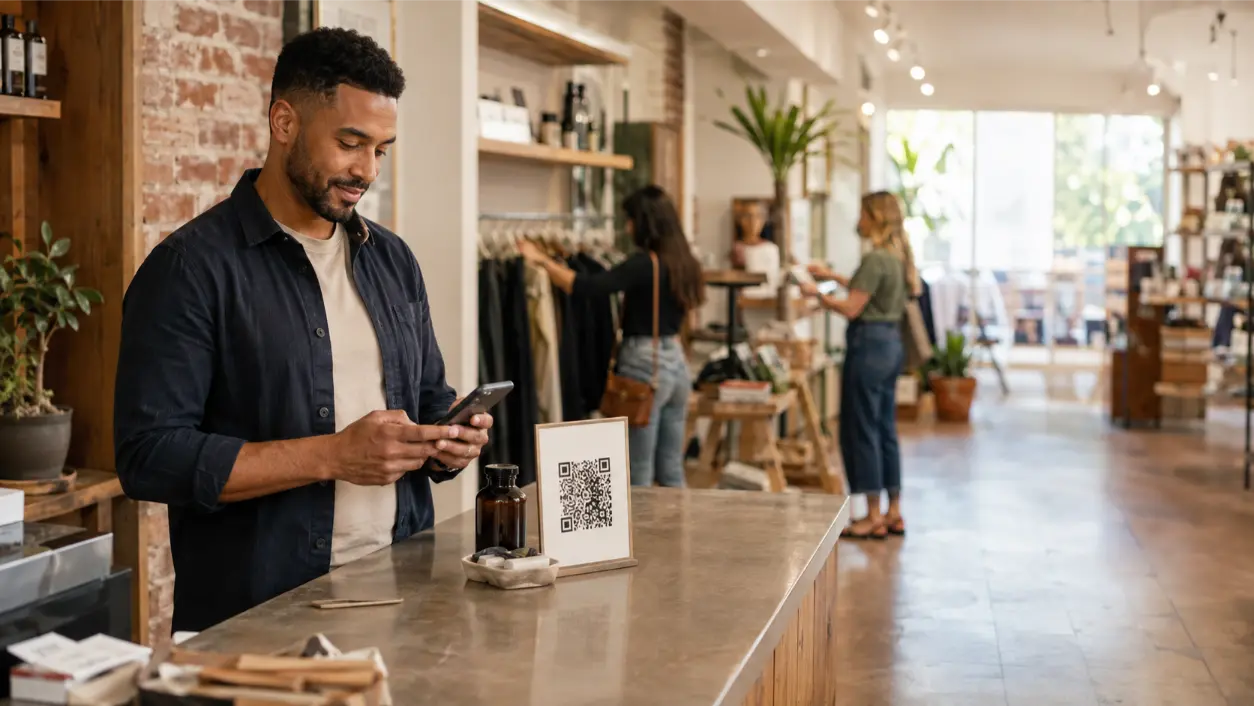
Use unique landing pages, campaign phone numbers, QR codes, appointment notes, event RSVP forms, source fields in your CRM, and simple staff scripts. For example, when someone calls after a car-care clinic, the service advisor can ask, “Did you hear about us through the Saturday event?” When someone visits a mailer URL, you can track that page separately from general website traffic.
The goal is not perfect attribution. The goal is enough visibility to decide what to repeat.
Where Email and Direct Mail Fit Into the Local Mix
Local outreach creates attention, but follow-up turns attention into opportunity. This is where many dealers lose momentum.
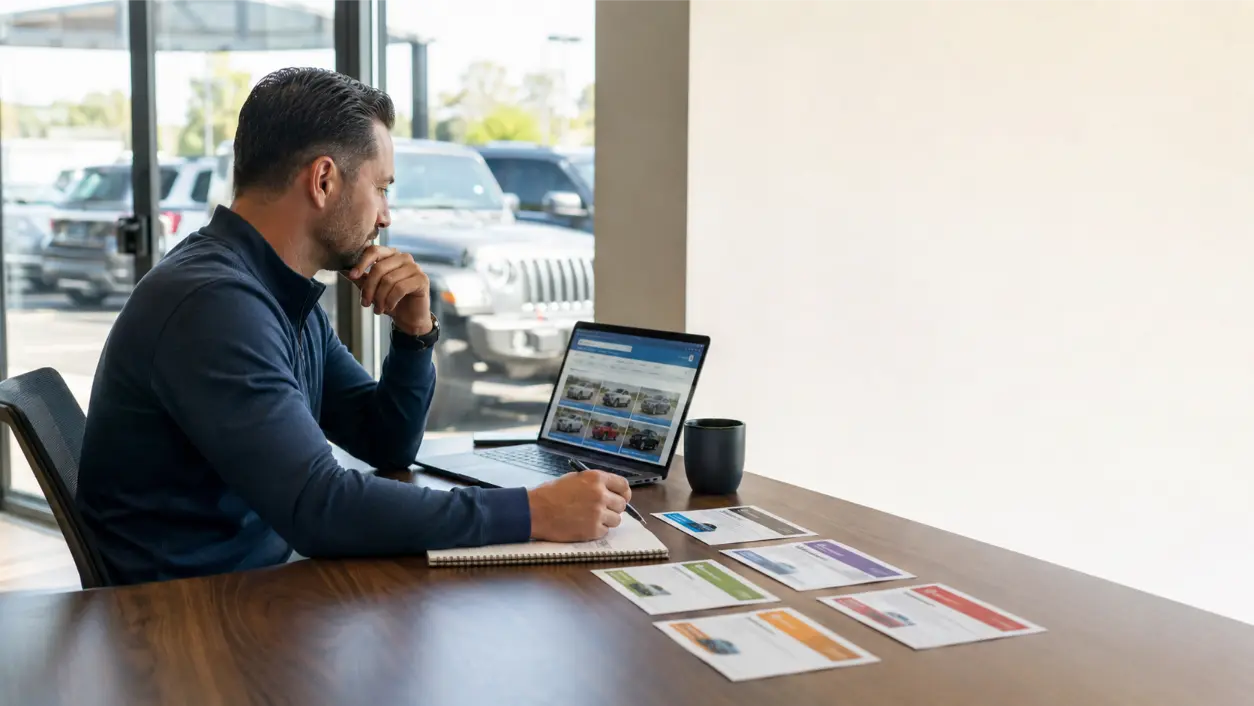
Someone may scan a QR code at an event, browse a used SUV online, check financing options, or read about service specials. If they do not fill out a form, the dealership may never know they were interested. That creates a gap between local marketing activity and actual lead generation.
MailX2 helps close that gap by identifying anonymous website visitors and triggering automated email and direct mail campaigns based on engagement. For a dealer, that means a local outreach effort can continue after the first visit. A shopper who views inventory can receive relevant follow-up. A household that responds to a mailer can be nurtured across channels. A service page visitor can be reminded of the next step without the dealership manually chasing every interaction.
This does not replace community work. It makes community work easier to measure and easier to follow up on.
A Simple 30-Day Outreach Plan for Dealers
Here is a practical plan for a dealership with limited local marketing funds.
Days 1-3: Pick one audience.
Choose a specific group: past service customers, website visitors, nearby households, first-time buyers, local employees, or owners likely to need seasonal service. Avoid trying to reach everyone at once.
Days 4-7: Create one offer or helpful message.
Make it useful. Examples include a free trade-in review, winter readiness check, first-time buyer guide, service inspection, local fleet consultation, or event invitation.
Days 8-14: Build one local partnership.
Ask a nearby business, school, employer, or community group to share the offer. Give them a short message, flyer, or link so there is no extra work on their end.
Days 15-21: Promote through two low-cost channels.
Use a small mailer, local email list, service-lane handout, social post, event calendar, partner newsletter, or neighborhood group. Keep the message consistent.
Days 22-26: Follow up.
Send a thank-you note, reminder, email, or postcard. Call only when there is a clear reason and appropriate permission. The follow-up should help the person take the next step, not pressure them.
Days 27-30: Review the results.
Look at website visits, calls, appointments, RSVPs, service bookings, trade-in requests, and sales conversations. Keep the tactic if it creates measurable activity. Adjust it if it only creates impressions.
When to Add Automation
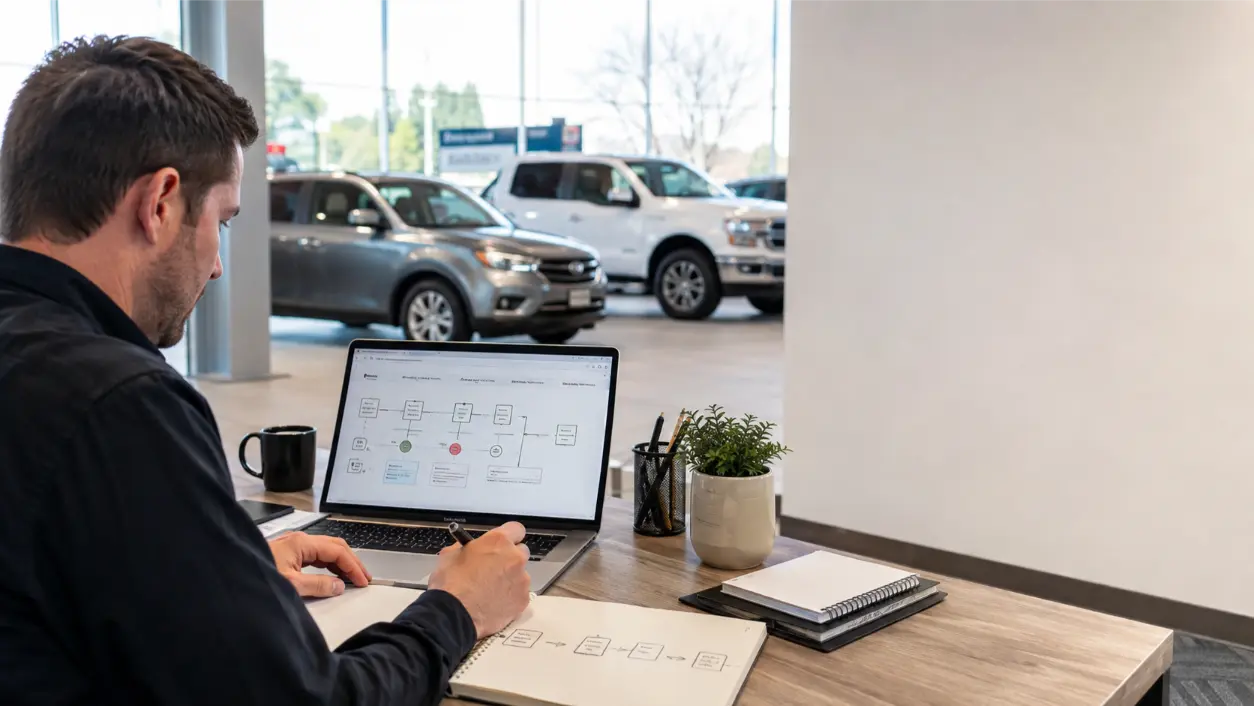
Manual outreach can work when the audience is small. But as soon as your dealership is running events, mailers, service campaigns, and website follow-up at the same time, manual tracking gets messy.
Automation is useful when you want to:
Identify more of the people visiting your website.
Trigger follow-up based on actual visitor behavior.
Combine email and direct mail without managing every send manually.
Keep local outreach moving after the event, postcard, or partnership campaign ends.
Reduce the number of interested shoppers who disappear without a conversation.
For dealers, the point is not to automate every relationship. It is to automate the moments that are easy to miss.
Bring Local Outreach and Follow-Up Together
The best local outreach tactics for auto dealers are not complicated. Host useful events. Partner with businesses your customers already know. Use service visits to create repeat touchpoints. Send focused mailers. Ask for referrals in a clear and respectful way. Then track the response.
When those efforts start driving traffic to your website, the next step is making sure visitors do not vanish without follow-up. MailX2 helps dealers turn anonymous website activity into automated email and direct mail touchpoints, so local outreach can keep working after the first click.
If your dealership is investing time in community outreach but wants more measurable follow-up, book a strategy call with MailX2 to see how automated email and direct mail can support your local marketing plan.
FAQ
What are the best low-cost local outreach tactics for auto dealers?
The best low-cost tactics include small educational events, service-lane follow-up, referral prompts, local business partnerships, targeted direct mail, and simple community sponsorships. The right mix depends on your market, customer base, and available staff time.
How can a small dealership market locally without a big ad budget?
Start with one audience and one message. Promote through low-cost channels such as email, nearby partnerships, service handouts, social posts, and limited-radius mailers. Track calls, form fills, appointments, and website visits so you know what is working.
Do mailers still work for automotive dealers?
Mailers can work when they are targeted, clear, and connected to a relevant offer. They are less effective when they are generic. A strong dealer mailer should focus on one audience, one reason to respond, and one easy next step.
How does MailX2 support local dealer outreach?
MailX2 helps identify anonymous website visitors and trigger automated email and direct mail campaigns based on visitor behavior. That helps dealers follow up with more of the local shoppers who show interest but do not immediately call or submit a form.
RELATED LINK: