






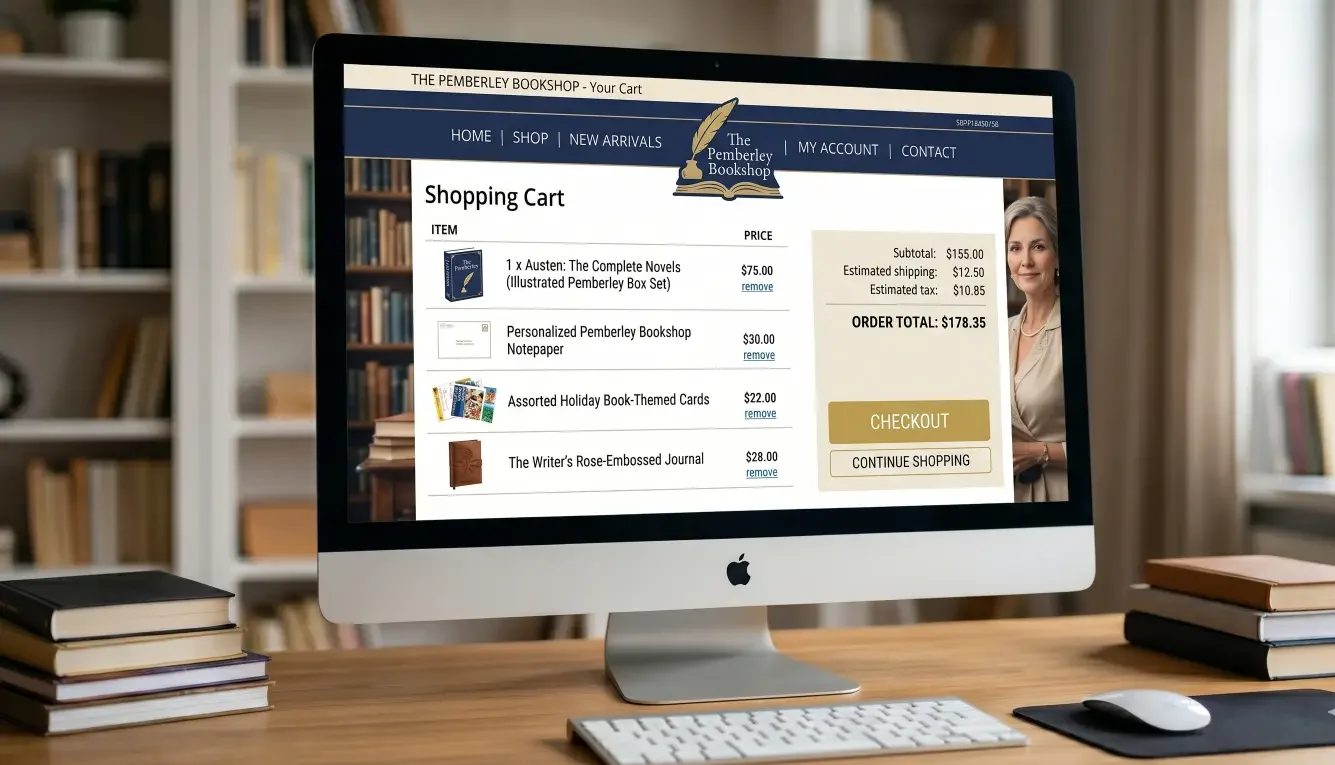
Cart abandonment is one of the most frustrating problems in e-commerce. A shopper finds your site, views products, adds something to the cart, and then leaves before checkout. The store did the hard work of creating interest, but the purchase never happened.
Many teams respond by asking whether the discount was too small, the checkout was too long, or the product page was not convincing enough. Those questions matter, but they do not solve the entire problem. Abandoned carts often happen because the follow-up workflow is weak, late, generic, or disconnected from the shopper’s behavior.
If you want to reduce cart abandonment email performance gaps, you need more than a single reminder. You need an automated workflow that responds quickly, segments shoppers by intent, uses incentives carefully, and gives high-value visitors more than one way to come back. MailX2 helps businesses identify website visitors and trigger automated email and direct mail campaigns, making cart recovery easier to connect to real visitor behavior.
Cart Abandonment Is a Follow-Up Problem
A cart abandonment issue is not always a pricing problem. Shoppers abandon carts for many reasons: they get distracted, compare prices, wait for payday, look for reviews, worry about shipping, question fit, or decide they are not ready yet.
That means the job of the workflow is not only to say, “You left something behind.” The workflow should answer the hesitation that likely caused the shopper to leave. A first-time visitor may need trust. A repeat visitor may need urgency. A high-cart-value shopper may need reassurance. A returning customer may need convenience.
A strong ecommerce cart abandonment email workflow treats abandonment as a signal. It tells the marketing team that someone showed enough intent to add a product to the cart, but not enough confidence or urgency to complete the order.
What a Cart Abandonment Email Workflow Should Do
A useful cart workflow has four jobs. First, it reminds the shopper what they considered. Second, it makes returning to the cart easy. Third, it addresses likely objections. Fourth, it gives the business a measurable way to learn what motivates recovery.
The workflow should not feel like a random blast. It should feel like a timely continuation of the shopping session. The message, timing, and offer should match the shopper’s behavior as closely as possible.
For example, a shopper who abandoned a small cart may only need a quick reminder. A shopper who abandoned a high-value cart may need proof, a support message, financing information, shipping clarity, or a direct mail touchpoint. A shopper who has abandoned multiple times may need a different incentive or a stronger reason to act.
Start With the First Reminder
The first abandoned cart email should usually arrive while the shopping session is still fresh. If the email waits too long, the visitor may forget what they were considering or buy somewhere else.
The first message should be simple. Remind the shopper of the item, show a clear return path, and remove friction. Avoid overloading the email with too many product recommendations, unrelated promotions, or a complicated story.
Good first-message goals include reminding, reassuring, and making the next click easy. This is the moment to help the shopper resume the purchase, not to rebuild the entire relationship from scratch.
Build a Cart Email Timing Strategy
Cart email timing strategy matters because shopper intent fades quickly. A practical workflow might include a first reminder soon after abandonment, a second message later that day or the next day, and a final message after a defined waiting period.
The timing should depend on the product, purchase cycle, and cart value. Fast-moving consumer products may need shorter windows. Higher-consideration items may need more space and more proof. Seasonal or limited-availability products may benefit from urgency, while everyday products may benefit from convenience and reassurance.
The key is to test timing instead of guessing. If the first message performs well but later emails do not, the sequence may be too long or too repetitive. If shoppers return after the second or third message, your first email may not be doing enough to address hesitation.
Segment Abandoned Carts by Intent
Segmentation is where many abandoned cart recovery flows improve. Not every abandoned cart should receive the same message. At minimum, consider segmenting by cart value, customer type, product category, visit history, and engagement.
A first-time visitor who abandons a cart may need brand trust. A returning customer may need convenience. A high-value cart may deserve more detailed proof. A low-value cart may need a quick reminder without heavy discounting. A shopper who viewed the same product multiple times before adding it to the cart may be more serious than someone who bounced after one session.
MailX2’s visitor-identification and automated outreach model can help marketers connect website behavior to follow-up. That matters because abandoned cart recovery gets stronger when the workflow is based on more than the cart event alone.
Use Incentives Carefully
Discounts can recover carts, but they can also train shoppers to wait. If every abandoned cart receives an immediate discount, customers may learn that leaving the cart is the fastest path to a better deal.
A better incentive strategy starts with value and reassurance before price. First, remind the shopper. Then address concerns such as shipping, returns, product fit, reviews, or availability. Use discounts selectively when the margin, cart value, or customer segment justifies it.
Incentives do not always need to be percentage discounts. Free shipping, a bonus item, loyalty points, extended return windows, consultation help, or a time-sensitive reminder can sometimes work better depending on the product and audience.
Add Trust Signals to Reduce Hesitation
Many shoppers abandon carts because they are not fully confident. They may wonder whether the product is right, whether shipping will be reliable, whether returns are easy, or whether the company is trustworthy.
Cart abandonment emails can include short proof points, such as reviews, return policy highlights, secure checkout reassurance, delivery timing, customer support availability, or product education. The key is to keep the proof relevant to the product or category.
A proof-focused email can be especially helpful for first-time shoppers and higher-value purchases. If the buyer is already interested, the next step may be reducing perceived risk.
Use Product Category Logic
A cart containing apparel, home goods, auto accessories, skincare, furniture, or electronics may need different follow-up. Product category can shape the message.
For apparel, the workflow may address fit, sizing, returns, and styling. For furniture, it may address delivery, dimensions, materials, and room use. For automotive accessories, it may address compatibility, installation, and durability. For replenishable products, it may emphasize convenience and timing.
Cart email automation tips should always include category logic when possible. The more the email reflects what the shopper considered, the less it feels like a generic reminder.
Do Not Ignore Browse Behavior Before the Cart
The cart is one signal, but the behavior before the cart can explain the shopper’s intent. Did the visitor come from a paid ad? Did they view reviews? Did they compare several items? Did they visit shipping information? Did they return multiple times before adding to cart?
Those signals can guide the message. A shopper who visited shipping pages may need delivery clarity. A shopper who read comparison content may need confidence in the product choice. A visitor from a discount ad may respond differently than someone who came from organic search.
This is where visitor-driven automation becomes valuable. When the workflow can use more behavioral context, the abandoned cart message can become more relevant.
When to Use Direct Mail for Cart Abandonment
Direct mail for cart abandonment is not for every cart. It is best tested with higher-intent or higher-value segments where the added touchpoint may justify the cost. Examples include high-value carts, repeat abandoners, returning visitors, premium product categories, or shoppers who came from expensive paid campaigns.
A direct mail piece can reinforce the email sequence in a physical format. It might remind the shopper of the product category, provide a simple next step, or support trust with a short proof message. It should not feel like a disconnected postcard. It should match the digital campaign and the shopper’s behavior.
MailX2’s combination of automated email and direct mail makes this kind of workflow practical. Instead of treating direct mail as a batch campaign, businesses can use it as a triggered follow-up for selected visitor behaviors.
Combine Email and Direct Mail Without Overwhelming the Shopper
A strong cart recovery workflow should feel helpful, not aggressive. Too many emails, too many discounts, or too many mixed messages can reduce trust.
One practical approach is to use email for quick reminders and direct mail for selected shoppers who do not respond but still show high intent. Another approach is to trigger direct mail after a second visit or after a high-value cart remains inactive for a set period.
The goal is coordinated follow-up. Email moves quickly. Direct mail creates a physical reminder. Together, they can support the same next step without repeating the exact same message.
Measure the Whole Recovery Flow
Abandoned cart performance should be measured beyond open rate. Useful metrics include return visits, recovered revenue, conversion rate, average order value, unsubscribes, discount usage, time to purchase, direct mail response, and assisted conversions.
You should also measure performance by segment. A workflow may work well for returning customers but poorly for first-time visitors. A discount may improve recovery for one category but reduce margin in another. A direct mail test may perform best for high-value carts but not for low-intent visitors.
The best workflows improve over time because the team reviews results and adjusts timing, message, incentives, and segmentation.
Avoid Common Cart Recovery Mistakes
The first mistake is sending only one generic reminder. The second is discounting too quickly. The third is ignoring segmentation. The fourth is failing to match the message to the product category. The fifth is measuring only email clicks instead of full recovery behavior.
Another mistake is treating anonymous visitors as lost visitors. If the business has a way to identify visitors and connect them to email or direct mail follow-up, more of the cart abandonment problem can become actionable.
Finally, avoid making the workflow too complex before the basics work. Start with timing, segmentation, a clear return path, and simple measurement. Then add more advanced triggers and direct mail tests.
How MailX2 Supports Abandoned Cart Recovery
MailX2 helps businesses identify anonymous website visitors and turn passive traffic into measurable outreach opportunities. Its platform supports automated email sequences and triggered direct mail campaigns based on visitor behavior.
For e-commerce teams, that means abandoned cart recovery does not have to depend only on a basic platform reminder. Visitor behavior can inform who receives follow-up, when the message goes out, and whether direct mail should support the workflow.
MailX2 does not guarantee a specific recovery rate or revenue outcome. Its value is helping marketers connect visitor identification, email automation, and direct mail so cart recovery becomes a more coordinated, behavior-driven process.
Cart Abandonment Workflow Checklist
Use this checklist before launching or improving your flow:
- What cart behavior triggers the workflow?
- How quickly does the first email send?
- How many reminders are included?
- Does timing differ by product type or cart value?
- Are first-time visitors treated differently from returning customers?
- Does the message match the product category?
- Are incentives delayed or segmented instead of automatic?
- Are trust signals included where shoppers may hesitate?
- Should high-value carts trigger direct mail?
- How will recovered revenue and assisted conversions be measured?
- What test will be reviewed first: timing, incentive, subject line, segment, or channel?
Final Thoughts
To reduce cart abandonment email performance gaps, e-commerce teams need workflows that are timely, segmented, and connected to real shopper behavior. A single reminder may recover some carts, but a thoughtful sequence can do more: remind, reassure, test incentives, and bring high-intent visitors back through multiple channels.
Start with a clean email workflow. Then add segmentation, category logic, and measurement. For higher-value opportunities, test direct mail as a physical follow-up that supports the digital sequence.
MailX2 helps e-commerce businesses identify website visitors and trigger automated email plus direct mail outreach, giving teams a practical way to turn abandoned carts into coordinated recovery workflows.
FAQ
What is the best way to reduce cart abandonment with email?
The best approach is to send timely, behavior-based reminders that make it easy to return to checkout, address likely concerns, and use incentives carefully. Segmentation and testing are more effective than one generic reminder.
How many abandoned cart emails should an ecommerce store send?
Many stores start with two or three reminders, but the right number depends on product type, cart value, purchase cycle, and customer behavior. The sequence should be tested for recovery, unsubscribes, and margin impact.
When should the first abandoned cart email send?
The first email usually works best while the cart is still fresh. Timing should be tested, but many teams begin with a reminder soon after abandonment and then add later reminders if the shopper does not return.
Should abandoned cart emails include discounts?
Not always. Discounts can work, but offering them too early may train shoppers to wait. Try reminders, reassurance, shipping clarity, reviews, and support first, then test incentives by segment.
Can direct mail help with cart abandonment?
Direct mail can be useful for high-value or high-intent abandoned carts when it is triggered by behavior and coordinated with email. It should be tested against digital-only follow-up to measure added value.
RELATED LINK: