
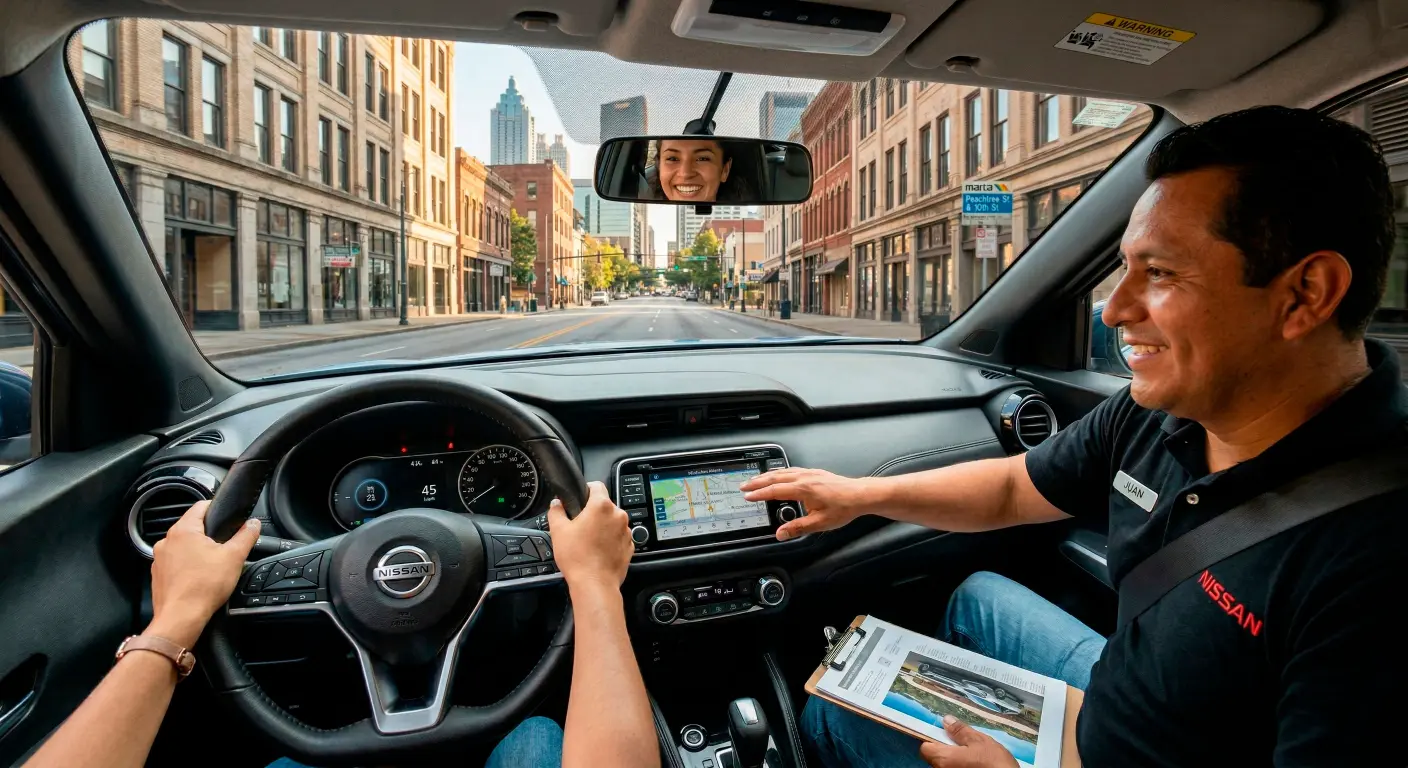


A customer takes a test drive, asks thoughtful questions, seems genuinely interested in the vehicle, and then goes quiet. No return visit. No response to the salesperson’s call. No clear next step. For dealership marketing managers, this is one of the most frustrating points in the funnel because the intent was real. The lead did not disappear at the top of the funnel. It dropped off after one of the strongest buying signals you can get.
That is why test drive reminder campaigns matter.
Not because they replace the salesperson, and not because more messages automatically solve the problem. They matter because the period after a test drive is where structure often breaks down. One salesperson follows up quickly. Another waits two days. One sends a helpful recap. Another sends a generic “just checking in.” Marketing has automation tools, but sales owns the relationship, so no one builds a system that consistently supports both.
If you are managing lead follow-up and CRM campaigns at a dealership, the goal is not simply to send more reminders. It is to build a sequence that matches buyer intent, supports the sales process, and keeps the customer engaged without creating noise. A strong test drive reminder campaign does not feel like marketing for marketing’s sake. It feels like a timely continuation of the buying conversation.
Why Test Drive Leads Go Cold (Even When Interest Is High)
The difficult truth is that a strong test drive does not always mean a buyer is ready to commit. It often means they have entered a more fragile phase of consideration.
Before the test drive, interest is fairly abstract. The shopper is comparing vehicles, browsing offers, maybe checking inventory, maybe responding to ads. After the test drive, the decision becomes more concrete. Now they are weighing price, monthly payment, trade-in value, another dealership, another model, a spouse’s opinion, or whether they want to wait another few weeks.
That is the gap between intent and decision. And it is exactly where many dealerships lose momentum.
What usually happens after a test drive is not a total lack of follow-up. It is fragmented follow-up. The salesperson may leave a voicemail. A CRM may send a generic thank-you. Someone may text, but only if they remember. Marketing may be running broader campaigns, but not a specific sequence tied to the test drive itself.
From the customer’s point of view, that feels uneven. The dealership was highly attentive during the visit, then suddenly inconsistent afterward.
Imagine a shopper who test drives a mid-range SUV on Saturday afternoon. She likes the vehicle, wants to compare trims, and says she needs to talk it over at home. She leaves without buying. If she receives a generic email blast on Monday about “This Month’s Best Deals,” that does not continue the conversation she actually started. If the salesperson calls once and then moves on, the lead cools. If no one follows up with a reminder tied to the vehicle she drove, the urgency fades.
This is why high-intent leads often disengage without timely follow-up. The dealership is not always losing them because the product was wrong. It is often losing them because the momentum was not protected.
Mapping the Post-Test Drive Drop-Off Funnel
A test drive reminder campaign works better when you stop thinking of follow-up as one event and start thinking of it as a short funnel with distinct stages.
Stage 1: Immediate post-visit window (first 24 hours)
This is the period when the visit is still fresh. The customer remembers the vehicle, the salesperson, the questions they asked, and the tradeoffs they were weighing. It is also when the dealership has the best chance to reinforce relevance.
The mistake here is often inconsistency. One prospect gets a fast, thoughtful follow-up. Another gets nothing until the next day. Another gets a templated message that could have gone to anyone.
In this first window, the goal is not to push for a hard close. It is to confirm the interaction, reduce friction, and make the next step easy. A short email recap, a simple text, or both can work well here if they are tied to the actual visit.
Stage 2: Consideration phase (days 2–7)
This is where the buyer starts comparing. They may revisit your site, check a competitor’s inventory, search for reviews, or discuss the purchase with family. They are not necessarily lost. They are processing.
This stage is where many reminder campaigns fail because they rely on either silence or repetition. Silence causes the dealership to disappear from consideration. Repetition creates fatigue because the same message gets resent with no added value.
What works better is structured follow-up that answers the likely questions behind the silence. Is the buyer uncertain about trim level? Budget? Timing? Availability? Trade-in? Another dealership’s offer? Your messages do not need to solve everything, but they should reflect the fact that the customer is in decision mode, not awareness mode.
Stage 3: Silent drop-off (week 2+)
Once a lead reaches this phase, the tone needs to shift. The first wave of urgency is gone. That does not mean the opportunity is dead. It means the reminder campaign has to work harder to re-establish relevance.
At this point, the customer may still be interested but distracted, undecided, or shopping elsewhere. This is where a broader mix of channels can help. Email may still work. SMS may still work. In some cases, a test drive direct mail sequence can reinforce recall differently because it reaches the buyer outside the inbox and outside the sales call pattern they may be ignoring.
Most dealerships lose momentum between Stage 1 and Stage 2, not because they have no systems, but because their systems are not organized around the buyer’s actual post-test-drive behavior.
The Misconception: “We Already Follow Up Enough”
A lot of dealerships believe they already have enough post-test-drive activity. And in a narrow sense, they might.
There may be calls logged in the CRM. The salesperson may have sent a text. Marketing may have turned on automated emails. Managers may see activity and assume the follow-up box is checked.
But activity is not the same as structure.
The real question is not whether someone followed up. It is whether the buyer moved through a coordinated sequence that made sense based on timing, interest, and likely objections.
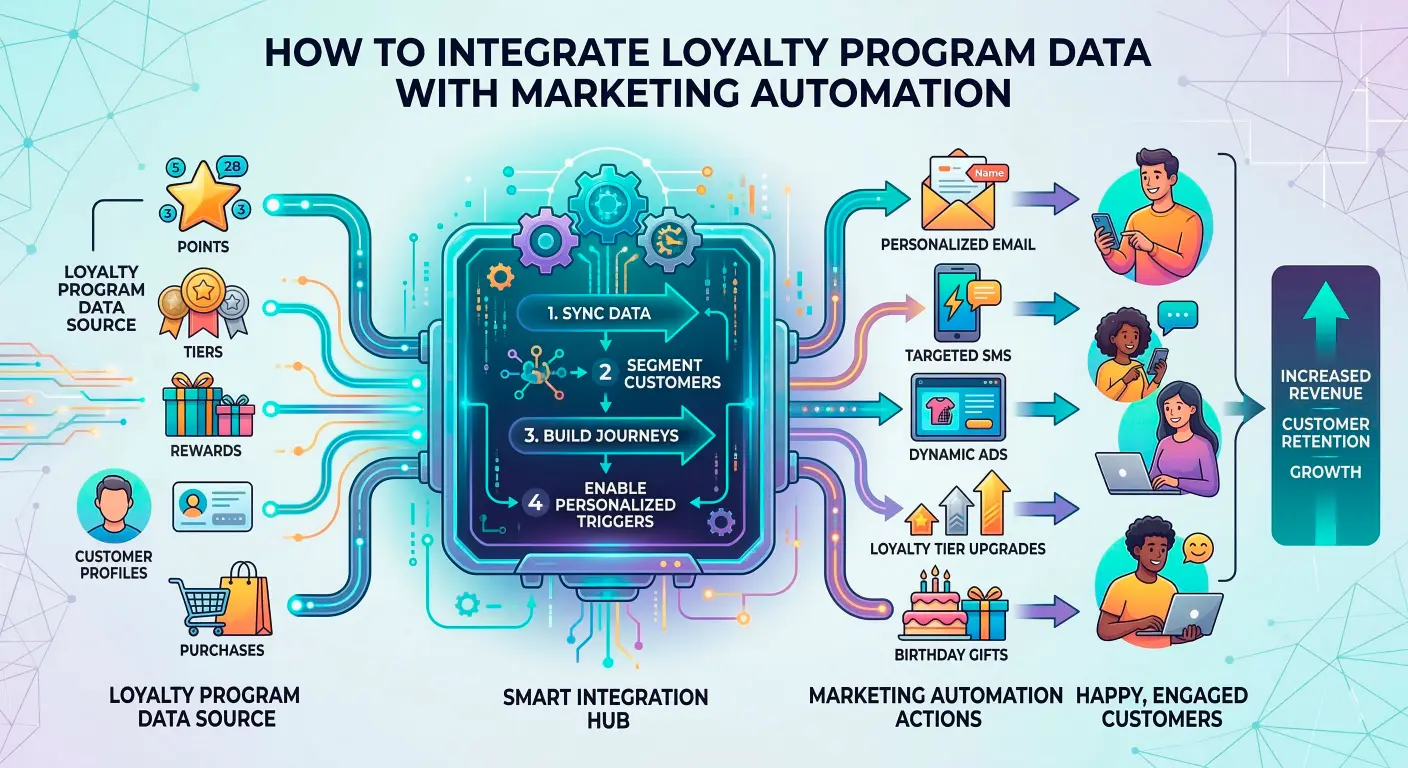
This is where many test drive follow up automation efforts disappoint. They automate isolated actions instead of designing a sequence. A same-day thank-you is useful, but not enough by itself. A one-off text is useful, but only if it connects to a larger path. An automotive test drive email sequence is not effective simply because it exists. It has to match the buyer’s stage and feel connected to the dealership experience they just had.
Volume also creates a false sense of confidence. If a lead receives three disconnected messages from three different people or systems, that is not necessarily stronger follow-up. It may feel disorganized from the customer’s perspective.
Inconsistent timing weakens impact in the same way. A reminder sent quickly may feel helpful. The same reminder sent after too much delay may feel out of sync. Likewise, too many touchpoints in a short span can make the dealership feel anxious rather than attentive.
The better mindset is this: fewer, better-timed, more contextual touches usually beat a pile of disconnected activity.
What a High-Performing Test Drive Reminder Campaign Looks Like
A high-performing campaign is built around sequence, not reaction.
That means each touchpoint has a role. One message acknowledges the visit. Another reinforces fit. Another addresses hesitation. Another invites a return step. Each message should feel like a continuation, not a restart.
Structured sequences outperform isolated touchpoints because they create rhythm. The customer does not need to be bombarded. They need to feel that the dealership is organized, attentive, and easy to work with.
The channel mix matters too. Email works well for slightly longer context, inventory follow-up, financing reminders, or dealership-branded messaging that the customer can revisit later. SMS works well when the message is short, timely, and tied to a clear next step. Direct mail can support recall when the buyer has gone quiet or when the dealership wants a more tangible touchpoint during a high-consideration purchase.
Not every campaign needs all three channels. But when used thoughtfully, they can complement one another. Email can carry the recap. SMS can prompt the next step. Direct mail can help re-engage a lead who stopped responding digitally.
The other distinction is trigger-based versus calendar-based follow-up.
Calendar-based follow-up sounds like: “Send all test drive leads the same message every Tuesday.”
Trigger-based follow-up sounds like: “When a prospect completes a test drive, start a sequence based on that specific event.”
The second approach is usually stronger because it respects timing. It is closer to the moment of interest, which is what makes reminder automation dealers can trust feel more natural and less mechanical.
Common Follow-Up Mistakes That Kill Conversion
The first major mistake is relying only on salesperson outreach.
Salespeople matter enormously in the post-test-drive process. But their day is unpredictable. They are juggling showroom traffic, fresh leads, desk time, deliveries, and active deals. Even strong sales reps struggle to execute perfectly consistent follow-up across every lead. That is not a character flaw. It is an operational reality.
A second mistake is sending generic messages that ignore the actual vehicle or conversation. If someone drove a mid-range SUV and mentioned cargo space, family use, and monthly budget, then a broad “Thanks for visiting our dealership” message does very little. The message needs enough context to feel connected to what happened.
The third mistake is poor pacing. Follow up SMS test drive campaigns often fail because they are either too aggressive or too hesitant. One immediate message and four reminders in 48 hours can feel intrusive. One delayed email sent three days later can feel irrelevant. The best timing usually supports the buyer’s decision process without crowding it.
A fourth mistake is failing to align marketing automation with sales activity. If marketing sends a message that contradicts what the salesperson already discussed, or if the salesperson has no visibility into what automation is doing, the customer gets a fragmented experience.
The issue is rarely that the dealership is doing nothing. It is that the pieces are not working together.
Building a Simple Test Drive Follow-Up Sequence
You do not need a perfect system to create a useful one. A simple, structured campaign is often enough to improve consistency and protect high-intent leads from drifting away.
Step 1: Segment by intent (hot vs. browsing vs. undecided)
Not every test drive lead is in the same state.
Some buyers are close to making a decision. They ask detailed financing questions, discuss next steps, or compare trims seriously. Others are still browsing. Others liked the vehicle but have a clear unresolved objection.
Your segmentation does not need to be complicated. Start with a practical split:
- hot: likely ready for next-step follow-up
- browsing: interested but still comparing
- undecided: engaged, but blocked by a known hesitation
Even a simple segmentation layer can improve message relevance dramatically.
Step 2: Craft 3–5 message touchpoints
A useful sequence usually has a beginning, middle, and re-engagement point.
A simple version might look like this:
Touchpoint 1: same day
Thank the customer for visiting. Reference the vehicle they drove. Offer a clear next step if they have questions.
Touchpoint 2: 48 hours later
Send a message that reinforces the fit of the vehicle or addresses a likely point of comparison. This is a good place for a short email or text that feels conversational.
Touchpoint 3: 5–7 days later
Invite the customer back for another look, a numbers conversation, or a follow-up appointment. Keep the language low-pressure.
Touchpoint 4: week 2, if still unresponsive
Use a softer re-engagement message. This may be a good point for email, or in some dealership environments, a test drive direct mail sequence that reminds the customer of the dealership and vehicle in a more durable format.
Touchpoint 5: optional longer-tail reminder
Use only if it adds value, such as a relevant inventory update, a changed availability status, or a gentle check-in tied to the shopper’s interest.
Step 3: Set timing (same day, 48 hours, 5–7 days)
The timing in the brief is a strong baseline because it mirrors how buying momentum tends to fade.
Same-day follow-up keeps the dealership connected to the visit while the buyer still remembers the experience clearly. A 48-hour reminder gives the buyer space but keeps your dealership present during active comparison. A 5–7 day reminder can help reconnect with buyers who are interested but have not taken the next step.
Beyond that, the rule is not “more is better.” The rule is “each touchpoint should still make sense.”
Step 4: Align messaging with vehicle interest and objections
This is where campaigns become useful instead of generic.
If the buyer cared about fuel efficiency, mention it. If they were deciding between trims, acknowledge that. If they seemed worried about affordability, the tone should be supportive and practical, not aggressive.
This does not require writing a custom campaign for every individual lead. It means building a flexible framework that reflects the most common patterns in your showroom.
If your dealership is losing momentum after test drives, the issue may not be lead quality—it may be follow-up structure. MailX2 helps dealerships turn test drive activity into automated email and direct mail sequences that keep buyers engaged. Book a strategy call to see how a structured reminder campaign could fit your process.
Choosing the Right Channels for Reminder Campaigns
Email is usually the best channel when you need room for context. It works well for visit recaps, model-specific follow-up, inventory updates, and messages that may be revisited later. It also tends to fit naturally into a broader automotive test drive email sequence where each message plays a different role.
SMS works best when the message is short and time-sensitive. It is a strong option for confirming continued interest, prompting a reply, or inviting a quick next step. But it should be used carefully. Because it is more immediate, it can feel personal in a good way or intrusive in a bad way depending on timing and tone.
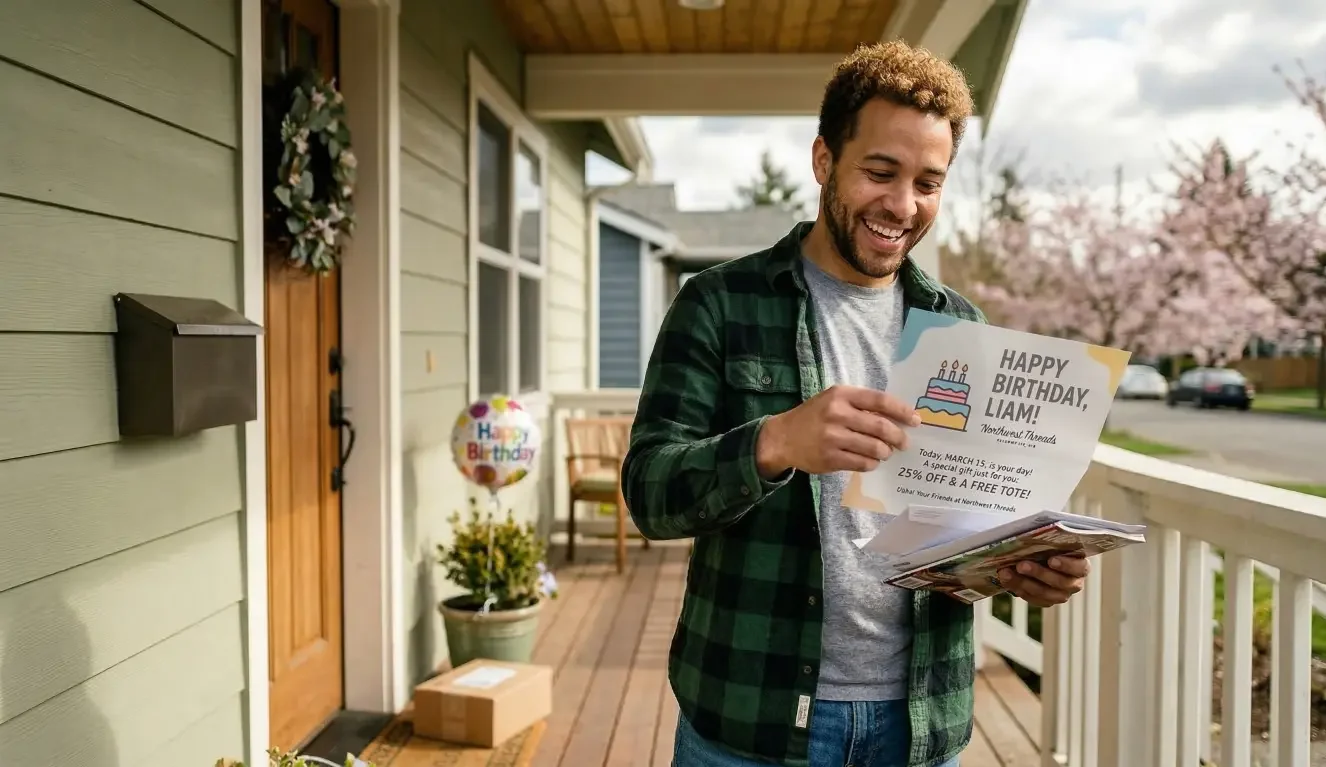
Direct mail is not the first tool most dealerships reach for in post-test-drive follow-up, but it can be useful when digital channels start to flatten out. A well-timed mail piece can help reinforce brand recall and remind the shopper of the vehicle and dealership experience in a way that feels different from a crowded inbox.
The key is not to use every channel at once simply because you can. Channel overload makes follow-up feel scattered. Strong campaigns use each channel for a reason.
A practical model might look like this:
- email for the visit recap and more detailed follow-up
- SMS for a concise reminder or response prompt
- direct mail for re-engagement when a lead goes quiet
That mix keeps the sequence balanced without overwhelming the customer.
How to Measure If Your Campaign Is Working
The cleanest signals are often the simplest ones.
Start by looking at whether prospects respond. Are they replying to texts or emails? Are they scheduling return visits? Are salespeople seeing more continued conversations after the test drive? Are more buyers booking a second appointment, asking for numbers, or returning to the lot?
Those are more useful indicators than vanity reporting.
It is also important to be realistic about attribution. A dealership customer may click an email, ignore a text, come back because of a salesperson’s call, and then purchase after seeing inventory online again. You may not be able to credit one channel cleanly. That is fine. The purpose of a reminder campaign is not perfect attribution. It is stronger follow-through.
What improvement looks like will vary by dealership, and it is better to avoid overpromising. But you should be able to observe whether the sequence is creating more responses, more return visits, or more active opportunities than an ad hoc process did.
As you review the campaign, pay attention to practical behavior:
- which message gets replies
- which timing windows create appointments
- where leads tend to stall
- whether marketing and sales can both see the follow-up path clearly
That kind of review is more useful than constant tweaking. A stable sequence with visible learning points is usually better than a campaign that gets redesigned every week.
Getting Started Without Rebuilding Your Entire CRM
One reason dealerships delay improvement is that every discussion about automation turns into a discussion about systems overhaul.
It does not have to.
A minimum viable campaign can be simple:
- one trigger: completed test drive
- one segmentation layer: hot, browsing, undecided
- one short email sequence
- one SMS touchpoint
- one clear sales handoff rule
That is enough to create structure without rebuilding your entire CRM.
The best place to start is by defining ownership. Who starts the sequence? Who pauses it if a salesperson makes contact? Who updates the lead status? If those rules are fuzzy, even a good automation setup will feel messy.
Then make sure automation supports the dealership’s current process instead of fighting it. If the sales team already has a working call pattern, your campaign should complement that pattern, not duplicate it. If marketing owns the email layer, sales should still know what the customer is receiving.
External support can make sense when the internal team does not have time to build, monitor, and refine the campaign consistently. That is especially true if the dealership wants to move beyond simple reminders and use more advanced email and direct mail coordination based on buyer behavior.
The point is not to chase sophistication. It is to stop losing test drive leads because follow-up depends on memory and individual effort alone.
Turning Test Drives Into Ongoing Conversations
A test drive is not just a sales event. It is a signal that the buyer moved from curiosity to active evaluation. That shift deserves a better follow-up system than a single call or a generic CRM email.
The dealerships that handle this well do not necessarily follow up more. They follow up with better structure. They protect the first 24 hours, stay relevant during the comparison phase, and re-engage thoughtfully if the buyer goes quiet. They treat the post-test-drive period like a sequence, not a guessing game.
That is what turns isolated reminders into ongoing conversations.
MailX2 helps dealerships build automated email and direct mail follow-up around real buyer activity, so interest does not fade simply because no one had time to send the next message. If you want to bring more structure to the test drive stage without adding more chaos to your process, book a strategy call and see how a reminder campaign could fit your dealership.
FAQ
How do test drive reminder campaigns work?
They begin when a customer completes a test drive and enters a structured follow-up sequence. That sequence usually includes a same-day thank-you, one or more reminder messages over the next several days, and a re-engagement touchpoint if the lead goes quiet. The goal is to keep the dealership relevant during the buyer’s decision window.
What is the best timing for test drive follow-up?
A practical starting point is same day, then around 48 hours later, then again within 5 to 7 days. That timing keeps the dealership connected to the visit without overwhelming the buyer. From there, the right schedule depends on the lead’s behavior and level of intent.
Should dealerships use SMS or email for follow-up?
Usually both, but with different roles. Email is better for context, recap, and model-specific follow-up. SMS is better for short reminders and quick response prompts. The strongest campaigns use each channel intentionally rather than sending the same message everywhere.
How many follow-ups should happen after a test drive?
For most dealerships, 3 to 5 touchpoints is a reasonable structure. That is enough to create consistency without turning the campaign into noise. The exact number matters less than whether each touchpoint has a clear purpose and fits the buyer’s stage.
Why do test drive leads go cold so quickly?
Because the period after a test drive is when buyers start weighing tradeoffs, comparing options, and getting distracted by competing priorities. If the dealership’s follow-up is delayed, generic, or inconsistent, interest can fade even when the test drive itself went well.
Can automation improve dealership follow-up consistency?
Yes, it can help make follow-up more consistent by reducing reliance on manual outreach alone. Automation works best when it supports the sales process with structured timing, relevant messaging, and clear rules for when sales and marketing each step in.
If your dealership is losing momentum after test drives, the issue may not be lead quality—it may be follow-up structure.
MailX2 helps dealerships turn test drive activity into automated email and direct mail sequences that keep buyers engaged.
Book a strategy call to see how a structured reminder campaign could fit your process.
RELATED LINK: