



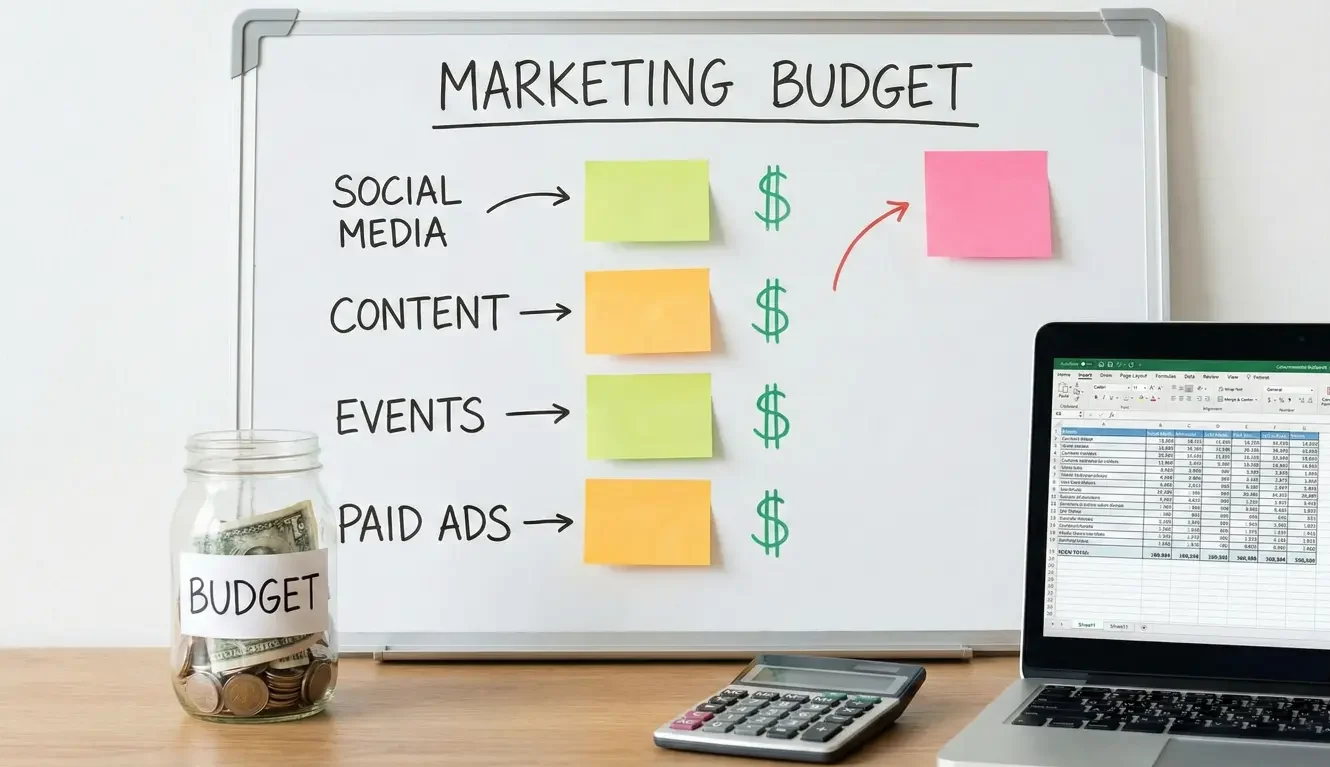
You’re trying to grow, but your marketing on a budget feels like it disappears the moment you “try a few things.” In 2026, the problem usually isn’t that you need more tactics—it’s that you need a sharper spending order, clearer success signals, and fewer “nice-to-have” tools.
If you’re a retail or e-commerce owner doing marketing in the margins—between customers, shipments, inventory, and everything else—this guide is built for your reality. It’s a practical way to prioritize low-cost channels so a small budget creates consistent, trackable lead flow instead of scattered one-off efforts.
The real budget problem in 2026 isn’t “too small”—it’s “too scattered”
When budgets are tight, most small businesses don’t overspend on one big mistake. They leak money through dozens of small ones:
- A boosted post here.
- A new “must-have” tool there.
- A freelancer for a month.
- A quick discount campaign when sales slow down.
- Another social platform because “everyone’s on it now.”
None of these are automatically bad. The problem is what happens next: there’s no consistent capture, no follow-up system, and no measurement that makes it obvious what to repeat and what to stop.
So your budget doesn’t fail because it’s small. It fails because it’s spread across too many partial attempts.
A better goal for 2026 isn’t “do more marketing.” It’s “build one repeatable loop”:
- people discover you,
- you capture a way to reach them again,
- you follow up with a few helpful touchpoints,
- you learn what works,
- you repeat.
That loop is how a small budget starts behaving like a bigger one—because you stop paying for the same attention twice.
Quick triage: where is your budget leaking right now? (10-minute audit)
Before you spend another dollar, take ten minutes and be brutally honest. You’re looking for leaks that cause you to restart from zero every week.
Channel sprawl (doing 6 things at 10% effort)
If you’re trying to maintain multiple social platforms, run ads, update your site, send email, and “do SEO,” your problem is not effort. It’s focus.
Signs this is happening:
- You post inconsistently and feel guilty about it.
- You’re always “catching up” instead of building momentum.
- You can’t point to one channel you’d confidently double down on.
A small budget needs one primary channel you can maintain and one support channel that amplifies it. Everything else is optional.
No capture (traffic with no way to re-contact)
Retail and e-commerce businesses often pay for traffic (or work hard to earn it) and then let most visitors disappear forever.
Signs this is happening:
- You get website visits but don’t know who they are.
- You have social followers but no email list.
- Your only “re-contact” method is hoping they come back on their own.
Capture is not just pop-ups. It’s giving people a reason to raise their hand:
- a back-in-stock alert,
- a “new arrivals” list,
- a seasonal guide,
- a local pickup promo,
- a warranty/care guide for your products,
- a first-time buyer “what to expect” email.
If your budget is small, capture is oxygen.
No follow-up (leads collected, but no sequences)
Many businesses technically “do email,” but it’s inconsistent blasts with long gaps. Or they have an email tool but no simple sequences.
Signs this is happening:
- New subscribers don’t hear from you again until your next sale.
- You send promotions, but you don’t have a welcome flow.
- There’s no post-purchase follow-up beyond a receipt.
- Abandoned browse/cart follow-up is missing or half-built.
Follow-up is where compounding happens. Without it, every campaign is a one-time event.
No offer clarity (promos change weekly; customers confused)
When you’re under budget pressure, it’s tempting to throw out discounts whenever sales dip. But constantly changing offers can make customers hesitate (“I’ll wait—there will be another deal”).
Signs this is happening:
- Your homepage banner is always changing.
- You’re unsure what to promote, so you promote everything.
- You use discounts to create urgency, but it trains people to delay buying.
Clarity beats creativity when money is tight. Your offers should be simple, consistent, and easy to explain.
The spending order: what to fund first when money is tight
Here’s the spending order that usually makes the biggest difference for a small retail/e-commerce budget:
capture → follow-up → proof → reach
Think of it as building a foundation before you buy more “attention.”
1) Capture: make sure interest doesn’t evaporate
What “done” looks like:
- Your website and key pages make it easy to join your list (or request updates).
- You have at least one clear reason to subscribe that fits your products and customer behavior.
- You know where sign-ups come from (even if it’s just “homepage pop-up,” “checkout,” “product page,” “in-store QR,” etc.).
If you have a physical retail component, capture can also happen at the counter:
- a simple QR code for “VIP drops,”
- receipts that invite people to sign up for restock alerts,
- “local pickup perks” for subscribers.
2) Follow-up: build a small set of automated touchpoints
What “done” looks like:
- New subscribers get a welcome sequence that introduces your best-sellers and sets expectations.
- Post-purchase emails help customers use the product, reduce returns, and invite a second purchase.
- You have a plan for “browse/cart interest” so people who showed intent don’t vanish.
This is where budget email marketing tips become real: you’re not trying to send more emails. You’re trying to send the right few at the right times.
3) Proof: make it easy to trust you quickly
What “done” looks like:
- Product pages answer the questions customers always ask (shipping, sizing, materials, returns, local pickup).
- You have visible reviews, FAQs, or customer photos where relevant.
- Your most common objections are addressed in plain language.
Proof is not about making your site pretty. It’s about removing hesitation.
4) Reach: only expand once your foundation is solid
What “done” looks like:
- When you get attention (from content, partnerships, or ads), you know where you want people to go.
- You can capture the interest and follow up, not just hope for a one-time purchase.
- You can tell what happened after someone clicked.
Reach is powerful, but reach without capture and follow-up is expensive.
Contrarian moment: “More content” isn’t the first fix—distribution + follow-up is
A common trap for small businesses is believing that the answer is “post more.” That advice sounds motivational, but it often ignores what’s actually broken.
If your budget is tight, making more content without improving distribution and follow-up can create a frustrating loop:
- you post,
- a few people see it,
- they click,
- they leave,
- and you have nothing to show for it.
A better approach is to treat content as fuel, not the engine.
The engine is your ability to:
- capture interest,
- follow up,
- and guide people back to the right products at the right moments.
So if you only have time for one “content” effort, make it something you can reuse across channels and put behind a simple capture:
- a seasonal buying guide,
- a “best gifts under X” list (no need to include a number if that doesn’t fit),
- a product care guide,
- a restock alert sign-up,
- a local pickup checklist.
Then distribute it through the channels you can actually maintain.
Low-cost channels that compound (and how to pick yours)
When people say “low cost marketing ideas retail,” they often mean “cheap tactics.” That’s not what you need. You need channels that compound—meaning the effort you put in today still helps you next month.
Here are the practical options, and how to choose.
Email basics for retail/e-comm (welcome, browse/cart, post-purchase)
Email is a compounding channel because it builds an audience you can reach without paying for every impression.
Start with three basics:
- Welcome sequence: Set expectations, introduce your best-sellers, explain what makes you different, and guide to one clear next step.
- Browse/cart follow-up: If someone showed intent, help them return with clarity. This isn’t about pressure; it’s about reducing uncertainty (“Here’s the sizing guide,” “Here’s what people ask before buying,” “Here are the top reviews,” “Here’s local pickup info”).
- Post-purchase follow-up: Help customers use the product, confirm they made a good decision, and suggest a natural second purchase.
You don’t need endless campaigns. You need a handful that run reliably.
Local/community and partnerships (when it fits retail)
If you have any local presence—or even a strong niche community—partnerships can outperform paid spend because trust transfers.
Examples:
- Collaborate with a complementary business for a joint promotion.
- Participate in a local event and use it to grow your list (not just day-of sales).
- Feature community stories and invite people to subscribe for future drops.
The key is follow-up: collect contacts during the partnership and build a sequence that keeps the relationship alive after the event.
Organic search basics (product/category pages, FAQs, local intent)
SEO doesn’t have to mean a content factory. For retail/e-commerce, the most practical starting point is making sure your money pages are helpful:
- Category pages that explain what’s inside and who it’s for.
- Product pages with clear answers (shipping, returns, sizing, materials, pickup options).
- FAQs that match real customer questions.
- If local intent matters: clear local pickup details, location info, and policies.
This is less about “blog more” and more about removing friction that costs you sales.
“Direct outreach” options that aren’t ads (email + mail touchpoints as a concept)
If you already get website traffic, a budget-friendly move can be improving how you re-contact people after they’ve shown interest—without relying on paid ads as the only option.
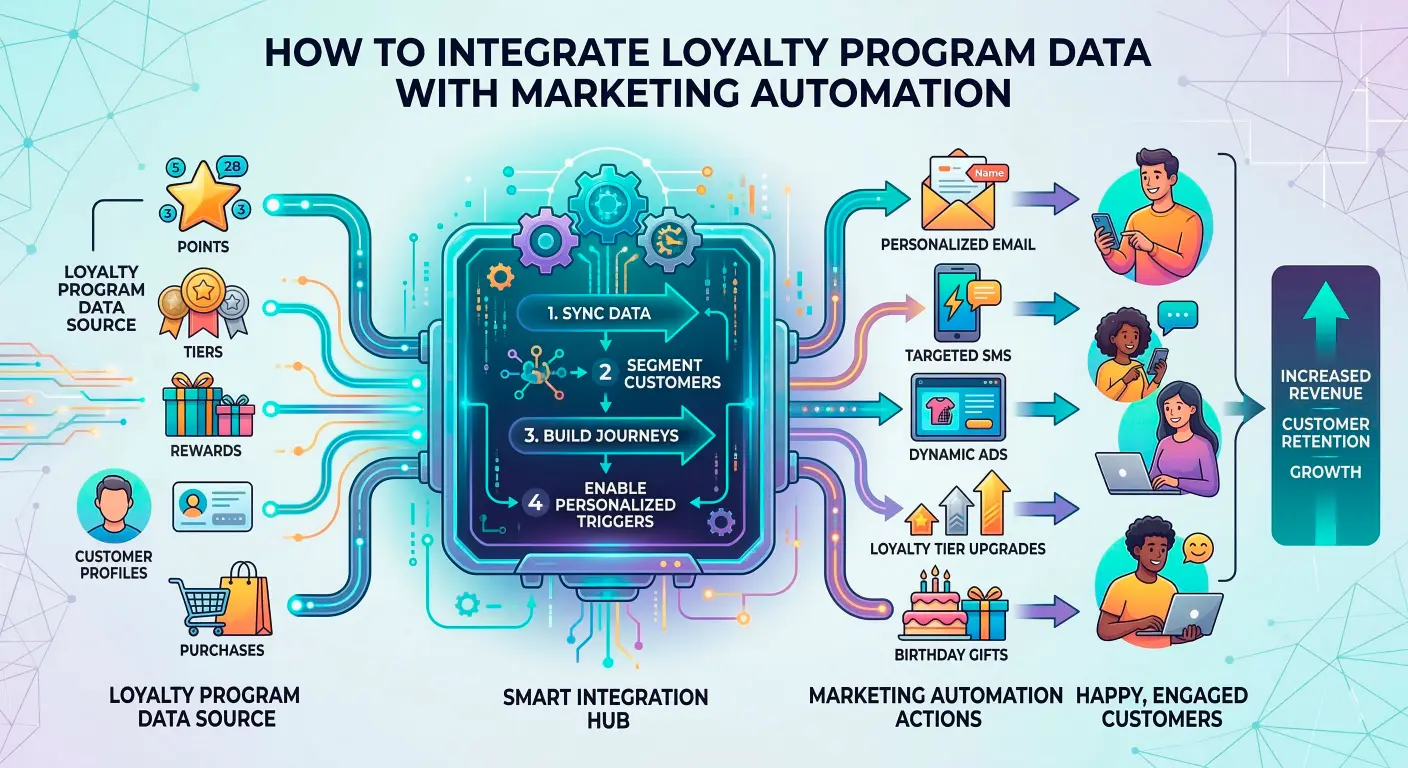
This is where a platform like MailX2 can fit as an optional system: it’s designed to help convert anonymous website visitors into measurable leads and customers through visitor identification and automated email plus direct mail campaigns. The idea is simple: instead of paying repeatedly to re-reach the same cold audience, you build follow-up touchpoints based on engagement.
Whether you use MailX2 or another approach, the principle is the same:
- treat website visits as signals,
- capture ways to follow up,
- and create consistent touchpoints after interest.
Efficient ad alternatives (and when ads actually make sense)
If you can’t afford paid ads, you’re not doomed. You just need to be disciplined about what “reach” means.
Efficient ad alternatives often include:
- partnerships and co-marketing,
- email list growth through site improvements and offers,
- consistent follow-up sequences that bring people back,
- improving conversion on existing traffic (so you get more from what you already have).
That said, ads can make sense even on small budgets—if you don’t use them as a substitute for strategy.
When to pause ads
Pause (or avoid) ads if:
- you don’t have a clear capture mechanism,
- your landing pages are unclear or incomplete,
- you don’t have follow-up sequences,
- you can’t tell what happens after a click.
In that situation, ads amplify the leak.
When “small but disciplined” tests can work
Ads can be worth testing if:
- you have a clear offer and a clear destination page,
- you can capture the interest,
- you can follow up with email,
- you have a simple decision rule for whether to continue.
Decision rules don’t need advanced metrics. They can be basic:
- “Are we getting subscribers/leads from this?”
- “Are people taking the key action we want?”
- “Are we learning something clear we can apply?”
If the answer is unclear after a short window, that’s a sign the foundation needs work—not necessarily that the ad platform is “bad.”
Common mistakes that burn small budgets fast
When money is tight, small mistakes hurt more. These are the ones that show up repeatedly in retail and e-commerce.
Buying tools before fixing capture/follow-up
Tools are not strategy. If you buy software before you have a plan for capture and sequences, you’ll end up paying for features you don’t use.
A simple question to ask before buying anything:
- “What is the one workflow this tool will improve for us in the next two weeks?”
If you can’t answer, pause.
One-off campaigns with no reactivation plan
A weekend promo can be fine—but if you don’t have a plan to reactivate the people who engaged, you’re back to zero next week.
Before you run a promo, decide:
- what happens after someone clicks but doesn’t buy,
- what happens after someone buys,
- what the next touchpoint is.
Discounting too early (training customers to wait)
Discounts can drive volume, but frequent discounting can create a “wait for the sale” customer base.
If you use discounts, consider balancing them with:
- value-based offers (bundles, bonuses, perks),
- education (why the product is worth it),
- limited collections or drops (if your brand supports it),
- loyalty-based rewards.
The goal is not “never discount.” It’s “don’t make discounting your only lever.”
Spreading across platforms instead of one primary channel + one support channel
A small business marketing budget can’t support constant reinvention.
Pick:
- one primary channel you can do consistently (often email + your site),
- one support channel that feeds it (social, partnerships, local events, or SEO improvements).
Everything else becomes “later.”
Proof posture: how to verify if your plan is working (without fancy analytics)
You don’t need a complicated dashboard to know if you’re moving in the right direction. You need a few simple signals that tell you whether your system is becoming more repeatable.
Look for evidence like:
- List growth: Are more people giving you a way to contact them again?
- Response signals: Are people replying, clicking, or taking the next step after follow-up emails?
- Repeat purchase indicators: Are customers coming back, asking for restocks, or buying related items?
- Lead-source clarity: Can you roughly tell where subscribers and buyers are coming from?
Simple tracking can be as basic as:
- using consistent links and labels in your emails,
- tracking which pages drive sign-ups,
- keeping a simple weekly note of what you launched and what happened.
The win isn’t perfect measurement. The win is learning what to repeat.
Next steps: a 14-day reset plan for a small marketing budget
If your budget feels tight, the most helpful move is a short reset that rebuilds focus. Here’s a practical two-week plan.
Day 1–2: audit + choose 1 primary channel
- Do the 10-minute leak audit above and write down the biggest leak.
- Choose your primary channel (for most retail/e-comm, this means email + your site).
- Pick one support channel you can maintain without burnout.
Outcome: clarity on what you’re not doing right now.
Day 3–7: fix capture + launch your first follow-up sequence
- Add or improve one capture point on your site (and make the offer clear).
- Build a simple welcome sequence.
- Add one post-purchase follow-up email that reduces regret and invites the next step.
Outcome: you stop losing people after the first visit.
Day 8–14: run one focused campaign + document learnings
- Run one focused campaign that fits your products and seasonality (new arrivals, restock, local pickup promo, seasonal guide).
- Make sure people who engage have a way to subscribe.
- Document what happened: what got attention, what got sign-ups, what got sales, and what confused people.
Outcome: a repeatable loop you can improve next month.
Get help turning existing traffic into follow-up touchpoints
If you’re already getting website visits but your budget can’t support constant ads, your best move is often better follow-up—not more posts. MailX2 is built to help turn anonymous visits into contactable audiences and trigger email + direct mail outreach after engagement. If you want to see whether it fits your budget and workflow, explore the platform and the simplest setup path.
FAQ
What is the best marketing channel for a small business on a tight budget in 2026?
For most retail and e-commerce businesses, the best starting channel is the one that compounds: a system that captures interest and follows up consistently. That often means your website + email, supported by one additional channel you can maintain (social, partnerships, or search improvements). The “best” channel is the one you can run reliably without restarting every week.
How do I prioritize marketing spend when I can’t afford ads?
Use a spending order: capture first, follow-up second, proof third, reach last. If you can’t afford ads, don’t try to replace them with random tactics. Improve your ability to re-contact people who already showed interest, and make your pages answer the questions that block purchases.
What are low-cost marketing ideas for retail and e-commerce that actually compound?
Compounding ideas are reusable and build an audience: email sequences (welcome, post-purchase), list growth offers (restock alerts, seasonal guides), partnerships that generate subscribers, and improving product/category pages and FAQs so more visitors convert. These keep working after the initial effort.
What are practical budget email marketing tips for small teams?
Start with a few reliable sequences instead of frequent blasts: a welcome flow that introduces your best-sellers, a post-purchase flow that helps customers use what they bought, and a simple follow-up for high-intent behavior like browse/cart interest. Keep it consistent, clear, and easy to maintain.
Are there efficient ad alternatives for small businesses besides paid social?
Yes. Partnerships, community collaborations, email list growth, and improving conversion on existing traffic are often more efficient than trying to outspend competitors. The key is having capture and follow-up in place so you keep the value of the attention you earn.
How do I know if my marketing is working without advanced analytics?
Look for simple evidence: your contact list is growing, people respond to follow-up, customers return, and you can roughly explain where leads come from. You don’t need perfect tracking—just clear signals that your system is becoming more repeatable.
If you’re already getting website visits but your budget can’t support constant ads, your best move is often better follow-up—not more posts.
MailX2 is built to help turn anonymous visits into contactable audiences and trigger email + direct mail outreach after engagement.
If you want to see whether it fits your budget and workflow, explore the platform and the simplest setup path.